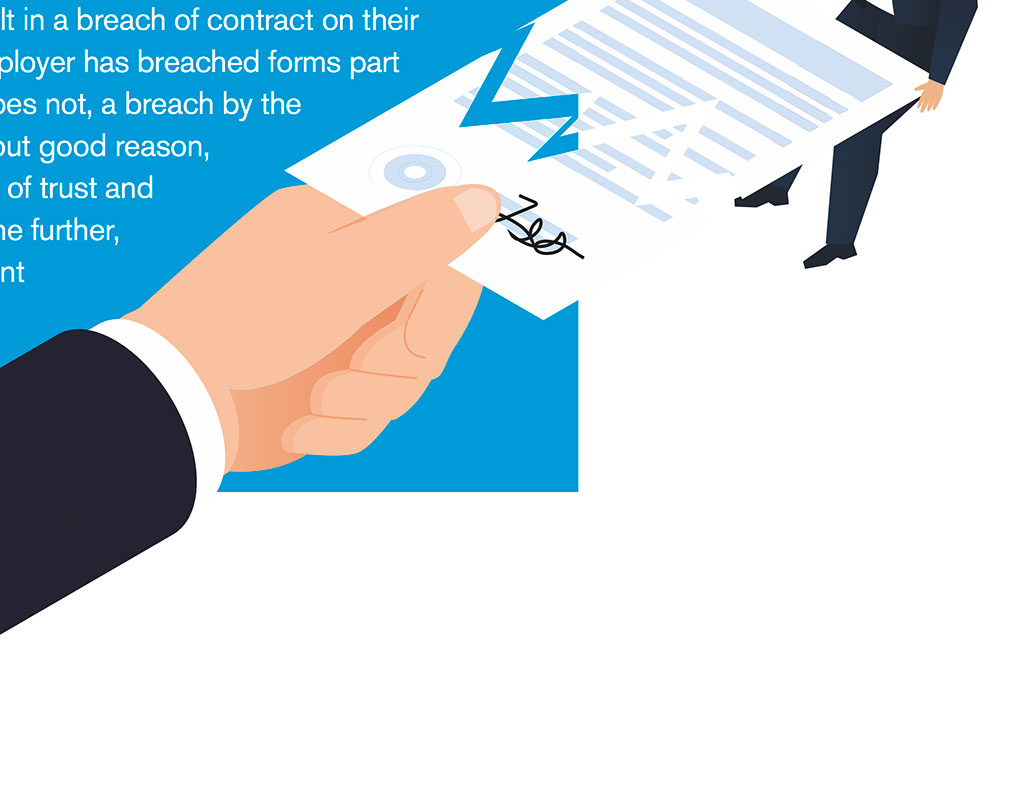

Time off for union duties, and employment termination By Terry Brandon, BALPA National Officer Q I am a new member of our Company Council and have been tasked with a role that will require time away from flying duties. How much time am I permitted, and will I receive pay for these days? Lay officials of unions that are recognised by the employer have the right to time off with pay to carry out trade union duties. The amount of time off must be reasonable in all circumstances. It is worth all Company Councils keeping a careful record of the amount of time they are spending on matters such as negotiations, consultation, disciplinary and grievance cases. Many airlines have facility agreements with BALPA that may provide a framework for scheduled meetings, but reps will usually exceed these prescribed days. The evidence you record may assist in future negotiations to increase facility time. Q I am employed by a crewing organisation providing pilots to a non-UK airline. I am, however, based in the UK. I have had my employment terminated by the crewing organisation at the airlines request. Can I challenge this? This is a difficult one to answer, as it is hard to prove. Third-party pressure can sometimes justify a fair dismissal, especially if the third party is the only or main client. However, your dismissal may be unfair if the employer cannot demonstrate that all reasonable steps have been taken to mitigate the effects of the clients demands. This may include trying to persuade the client and looking for alternative work elsewhere in the business. Q I have been representing a member in a serious disciplinary case. The rest of the Company Council and I expect that member will be dismissed. I have recently noticed that my employer has not followed the disciplinary procedure. Does this amount to a breach of contract? If you have a question youd like to put to Terry or any of our other BALPA experts, email TheLog@balpa.org It could be a breach. Most employers set out their own disciplinary procedures in writing. This may or may not form part of your contract of employment. A failure of the employer to follow procedures can result in a breach of contract on their part if the part of the procedure that the employer has breached forms part of your contract of employment. Even if it does not, a breach by the employer of its disciplinary procedure, without good reason, may amount to a breach of the implied term of trust and confidence. It may be worth pursuing this line further, although an Employment Tribunal would want to know if not following the disciplinary procedure would have materially changed the outcome of the dismissal.