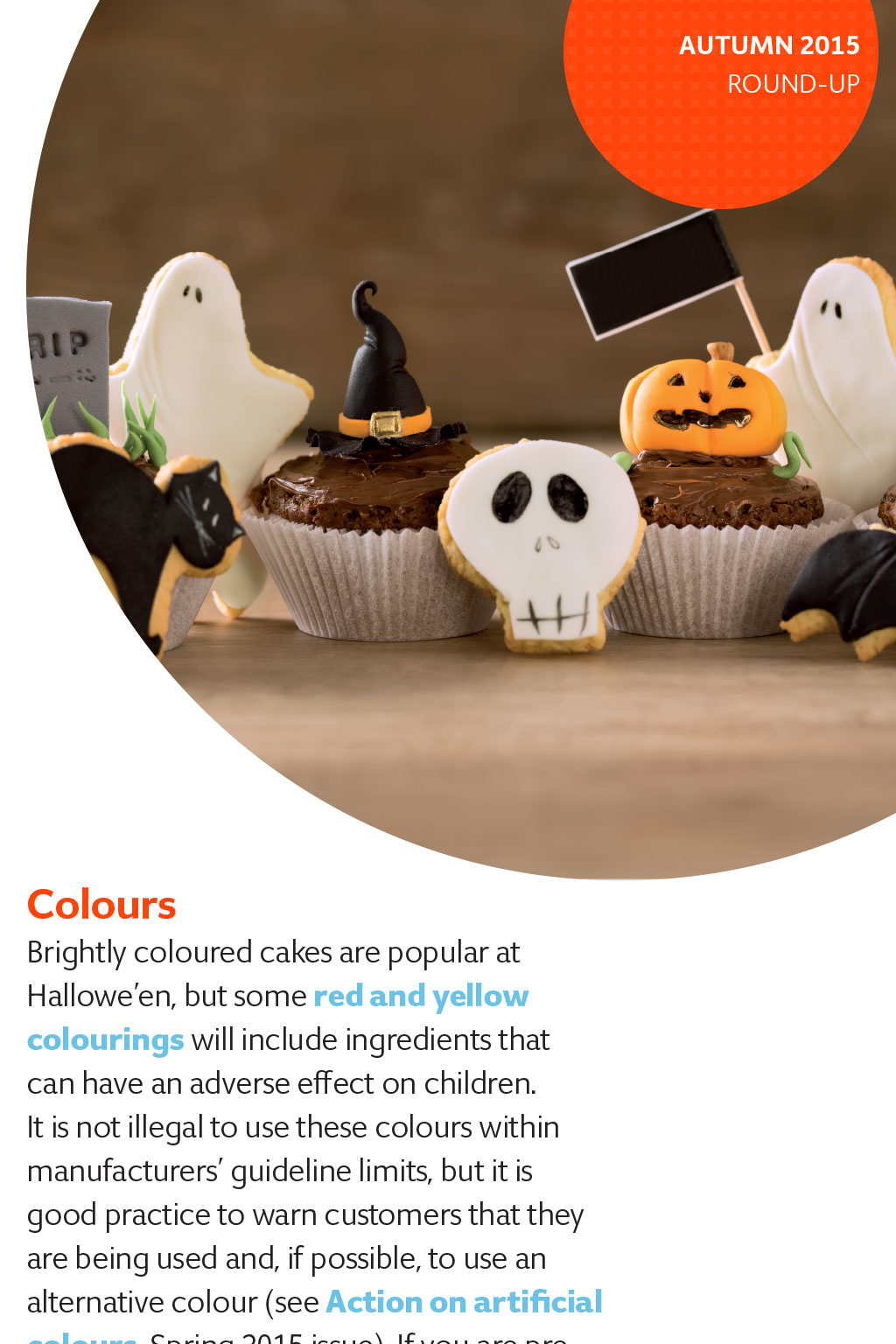

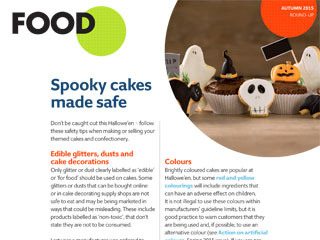
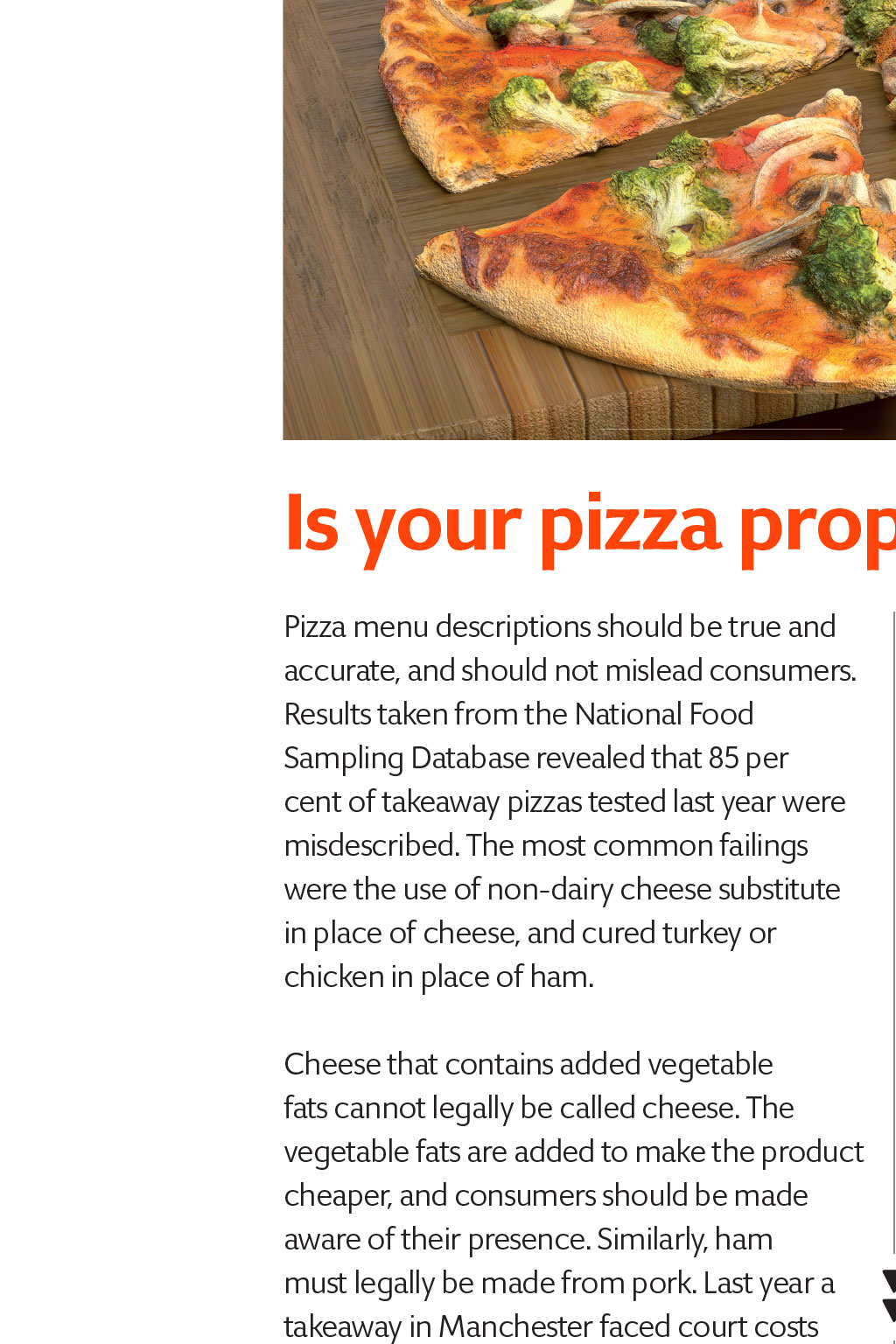
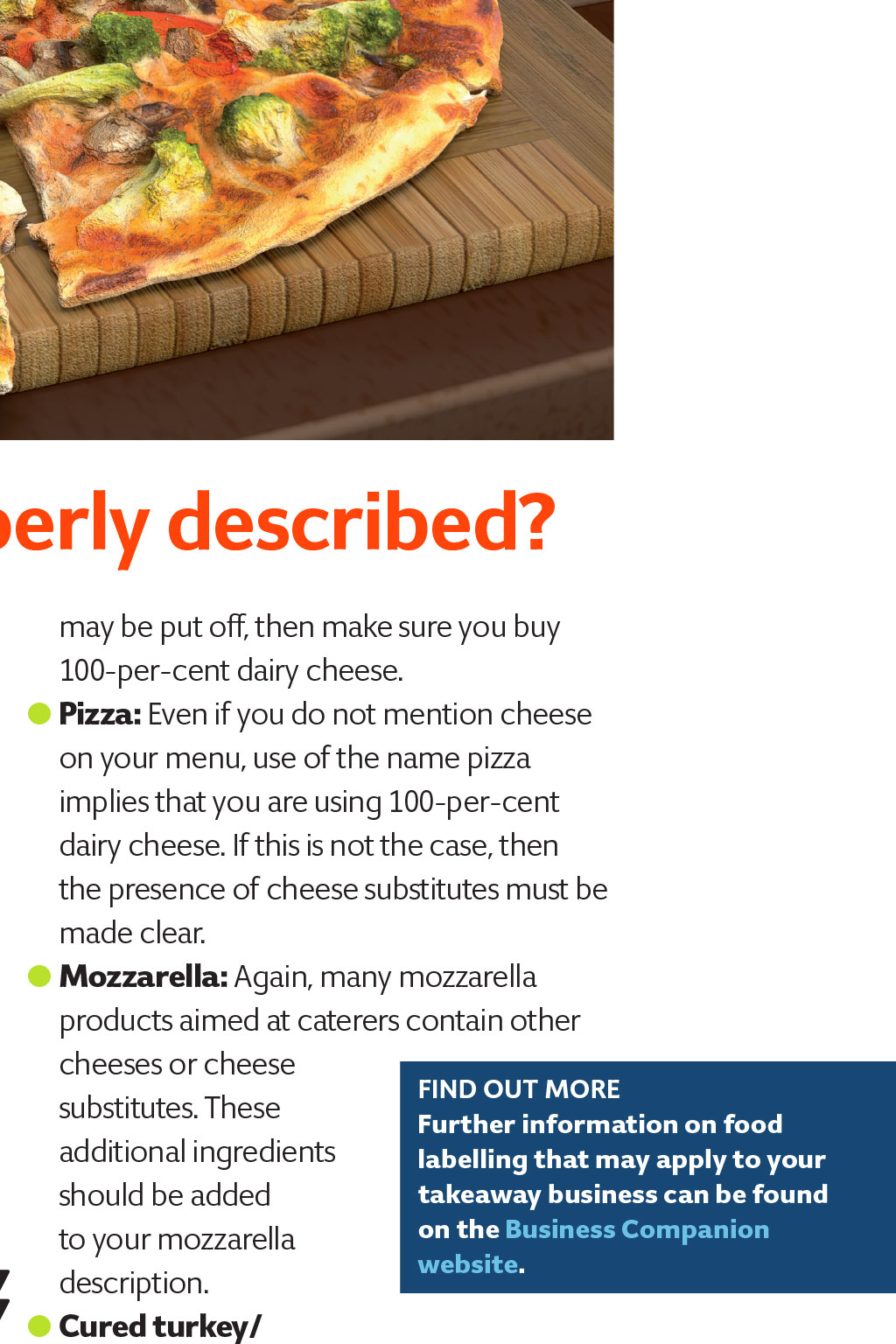
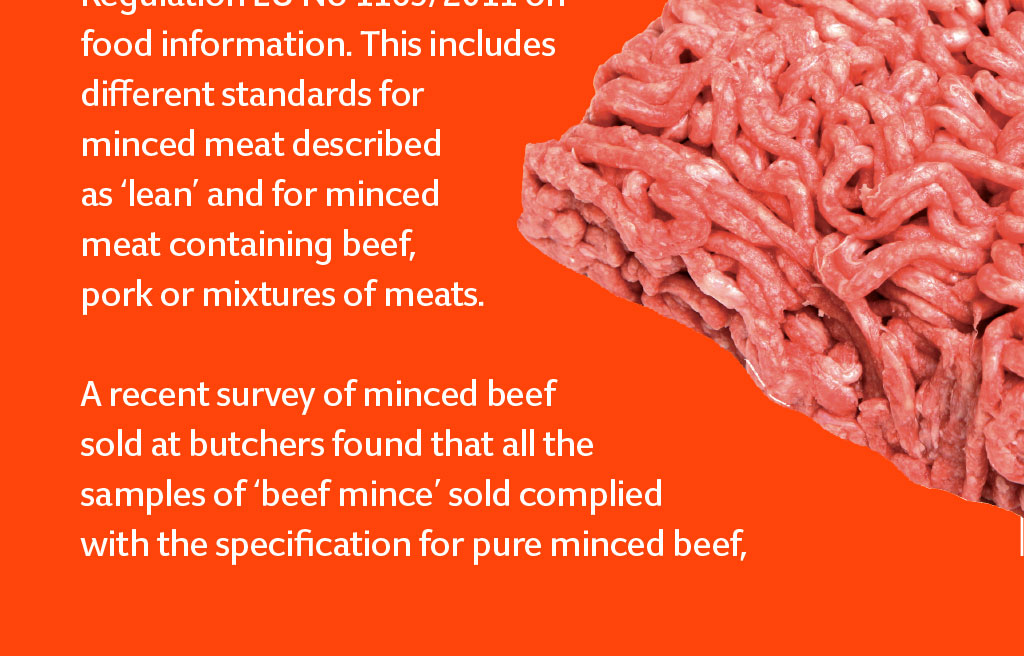
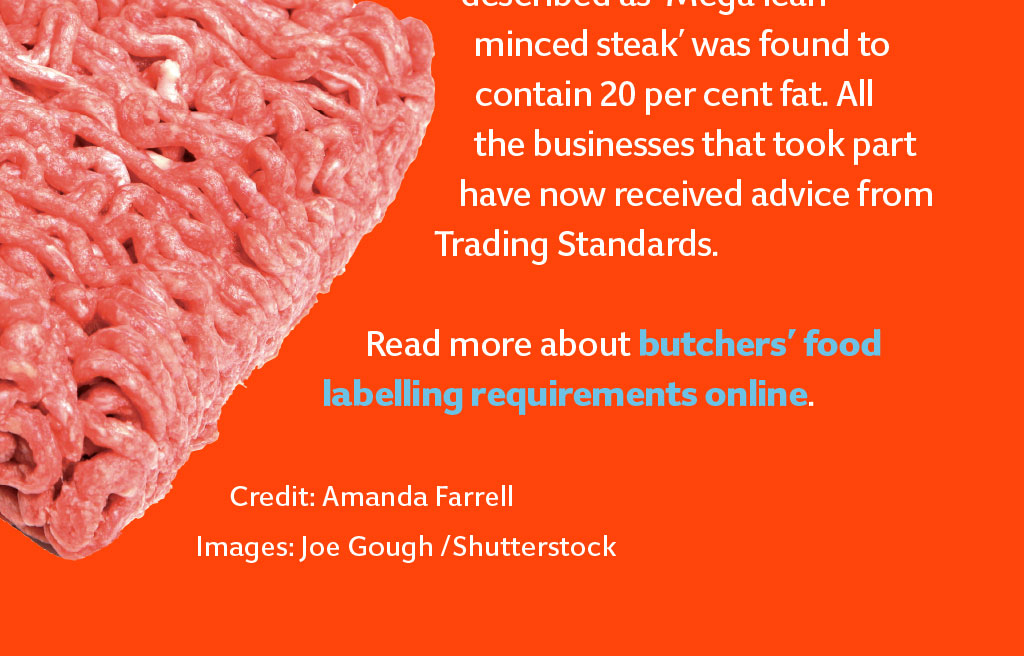
autumn 2015 ROUND-UP Spooky cakes made safe Dont be caught out this Halloween follow these safety tips when making or selling your themed cakes and confectionery. edible glitters, dusts and cake decorations Only glitter or dust clearly labelled as edible or for food should be used on cakes. Some glitters or dusts that can be bought online or in cake decorating supply shops are not safe to eat and may be being marketed in ways that could be misleading. These include products labelled as non-toxic, that dont state they are not to be consumed. ROUND-UP Last year a manufacturer was ordered to pay thousands of pounds in costs and fines for selling cupcake glitter made from shredded plastic and powdered brass. If you are in any doubt, contact your supplier, who should be able to provide you with a safety certificate, or visit the food standards agency website for further guidance. Non-edible cake decorations that are non-toxic, entirely removable and labelled as such can be used. However, some decorations that are appealing to children may be classified as toys and should be CE marked. For these, you will also need to pass on to the customer any safety warnings and the name and address of the manufacturer/importer. Also try to avoid decorations that may be flammable for example, small witches hats spider webs and plastic bats, which are even more likely to come into contact with candles during the Halloween/Bonfire Night period. Colours Brightly coloured cakes are popular at Halloween, but some red and yellow colourings will include ingredients that can have an adverse effect on children. It is not illegal to use these colours within manufacturers guideline limits, but it is good practice to warn customers that they are being used and, if possible, to use an alternative colour (see Action on artificial colours, Spring 2015 issue). If you are prepacking and selling via a third party, the name of all colours and the warning will have to be on your label. Always ensure colours are used within manufacturers guidelines. allergens All bread, cakes and biscuits will require an allergen declaration if they contain any of the 14 specified allergens. This can be given on individual tickets for each item or in the form of a list on a poster or blackboard. Alternatively, a notice can be displayed advising that allergen information is available on request. If you are selling via a third party, then all allergen information should appear on your label or, for loose cakes, accompanying documents. Credit: Stuart Powell Images: Ryan Ladbrook / Shutterstock Is your pizza properly described? Pizza menu descriptions should be true and accurate, and should not mislead consumers. Results taken from the National Food Sampling Database revealed that 85 per cent of takeaway pizzas tested last year were misdescribed. The most common failings were the use of non-dairy cheese substitute in place of cheese, and cured turkey or chicken in place of ham. Cheese that contains added vegetable fats cannot legally be called cheese. The vegetable fats are added to make the product cheaper, and consumers should be made aware of their presence. Similarly, ham must legally be made from pork. Last year a takeaway in Manchester faced court costs of 1,000 for illegally selling cured turkey instead of ham. In order that consumers are not being misled, it is important that businesses carefully check the labels of ingredients: l Look out for cheese products that have added ingredients names such as cheese food should set alarm bells ringing. If the product is a combination of cheese and added ingredients then acceptable descriptions would be a blend of cheese and non-dairy cheese substitute, or cheese plus cheese flavour. Also be aware that some products contain no cheese at all. If you are not happy using these descriptions, or you think customers may be put off, then make sure you buy 100-per-cent dairy cheese. l Pizza: Even if you do not mention cheese on your menu, use of the name pizza implies that you are using 100-per-cent dairy cheese. If this is not the case, then the presence of cheese substitutes must be made clear. l Mozzarella: Again, many mozzarella products aimed at caterers contain other cheeses or cheese fInd out moRe substitutes. These Further information on food additional ingredients labelling that may apply to your takeaway business can be found should be added on the Business Companion to your mozzarella website. description. l Cured turkey/ chicken: You may either use the name on the label or the descriptions turkey ham/ chicken ham which, although not true legal names for the food, would ensure consumers are aware that the product is not derived from pork. If the product is a mixture of meat types then these should all be listed in the name of the food. l Pepperoni: This is a type of salami sausage originating in the USA and originally made using pork, with or without beef. The general expectation in the UK is that pepperoni should contain pork as the principle meat. Therefore, pepperoni made from turkey and beef, or chicken and beef, should be labelled as such. Credit: Stuart Powell Images: weissdesign / Shutterstock MINCEd BEEF dESCRIPTIONS CLARIFIEd Butchers are reminded that if they wish to describe their mince as lean, or similar, then the mince must contain less than seven per cent fat. Since January 2014, compositional standards for the amounts of fat and collagen in minced meat has been specified by regulation Eu no 1169/2011 on food information. this includes different standards for minced meat described as lean and for minced meat containing beef, pork or mixtures of meats. a recent survey of minced beef sold at butchers found that all the samples of beef mince sold complied with the specification for pure minced beef, having an average of 10 per cent fat and 10 per cent collagen. However, the picture was different for minced beef described as lean, with most of these samples containingmore than the seven per cent fat permitted by the regulation. In the worse case scenario, a sample described as mega lean minced steak was found to contain 20 per cent fat. all the businesses that took part have now received advice from trading Standards. read more about butchers food labelling requirements online. Credit: amanda Farrell Images: Joe Gough /Shutterstock